
Correct piston ring end gap is one of the most important measurements during an engine rebuild. Ring end gap affects compression, oil control, and engine reliability. Measuring the ring gap properly helps ensure the piston rings seal correctly inside the cylinder.
During engine assembly, piston rings must be checked and adjusted to match the cylinder bore size and engine application. If the ring gap is too tight, the ends can expand and cause engine damage. If the gap is too wide, compression and engine efficiency may suffer.
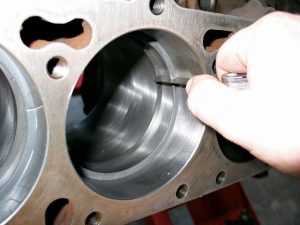
During an engine rebuild, builders must verify several critical measurements including bearing clearances, torque specifications, and piston ring end gap to ensure proper engine performance and reliability.
What Is Piston Ring End Gap?
Piston ring end gap is the small space between the two ends of a piston ring when it is installed inside the engine cylinder. This gap allows the ring to expand as engine temperatures increase during operation.
Without sufficient end gap, the ring ends can contact each other when the engine heats up. This can cause cylinder wall damage, broken rings, or piston damage.
Why Ring End Gap Matters
- Maintains proper compression
- Allows thermal expansion of the rings
- Prevents cylinder wall damage
- Supports proper oil control
- Ensures long engine life
Checking ring end gap during assembly helps confirm the piston rings will function correctly under operating temperatures.
How to Measure Piston Ring End Gap
Measuring ring gap requires placing the piston ring inside the engine cylinder and checking the gap between the ring ends with a feeler gauge.
- Insert the piston ring into the cylinder bore
- Use a piston to push the ring slightly into the cylinder so it sits squarely
- Insert a feeler gauge between the ring ends
- Record the ring end gap measurement
If the gap is smaller than the recommended specification, the ring ends may need to be carefully filed or machined to increase the gap.
Typical Ring End Gap Guidelines
Exact ring gap specifications vary depending on engine type, cylinder bore size, and application. Performance engines and forced induction engines often require slightly larger ring gaps.
A common guideline used by many builders is:
- Top ring gap: approximately 0.004 inch per inch of bore (4.00″ bore × 0.004 = 0.016″ top ring gap)
- Second ring gap: slightly larger than the top ring gap
Always follow manufacturer specifications for the piston rings and engine being assembled.
For complete rebuild solutions, explore our engine rebuild kits that include matched piston, ring, and bearing components for your engine.
Common Ring Gap Mistakes
- Failing to measure ring gap for each cylinder
- Installing rings without checking cylinder size
- Setting ring gaps too tight for performance engines
- Mixing ring sets between cylinders
Each cylinder may vary slightly, so rings should be measured and adjusted for the cylinder they will be installed in.
Engine Rebuild Resources
Additional rebuild resources and technical guides can help improve assembly accuracy, component selection, and long-term engine reliability.
- Engine Rebuild Process Guide
- Engine Rebuild Kit Guide
- Engine Bearing Clearance Guide
- Engine Torque Specifications Guide
If you are planning a rebuild, you can also explore our Engine Rebuild Kits section to request a custom rebuild kit quote for your engine.